The Gulf isn’t just about oil anymore. Over the past decade, the GCC (Gulf Cooperation Council) nations—Saudi Arabia, UAE, Qatar, Kuwait, Oman, and Bahrain—have emerged as trading powerhouses. With combined GDP exceeding USD 2.3 trillion (IMF, 2024) and some of the world’s fastest-growing consumer markets, the region is a magnet for Indian exporters.
And here’s the kicker: nearly 85–90% of the food and consumer products in GCC are imported. That means there’s a constant hunger (literally and figuratively) for reliable suppliers. So if you’re sitting in India wondering where your next big trade opportunity lies, the answer could very well be across the Arabian Sea.
Let’s walk through the import–export business ideas that actually work in GCC in 2025—not the buzzwords, but the sectors buyers are actually putting money into.
Why the GCC Market Matters for Traders
It’s not just about wealth. It’s about government-backed demand. Saudi’s Vision 2030, Qatar’s post-World Cup infrastructure, and the UAE’s push for diversification have created markets that are both ambitious and stable.
- The UAE alone recorded non-oil foreign trade of USD 953 billion in 2023 (Dubai Customs, 2024).
- India–GCC trade crossed USD 184 billion in FY 2022–23 (MEA, Govt. of India).
You know what that means? Exporters who can deliver on quality and trust have a ticket into a trillion-dollar marketplace.
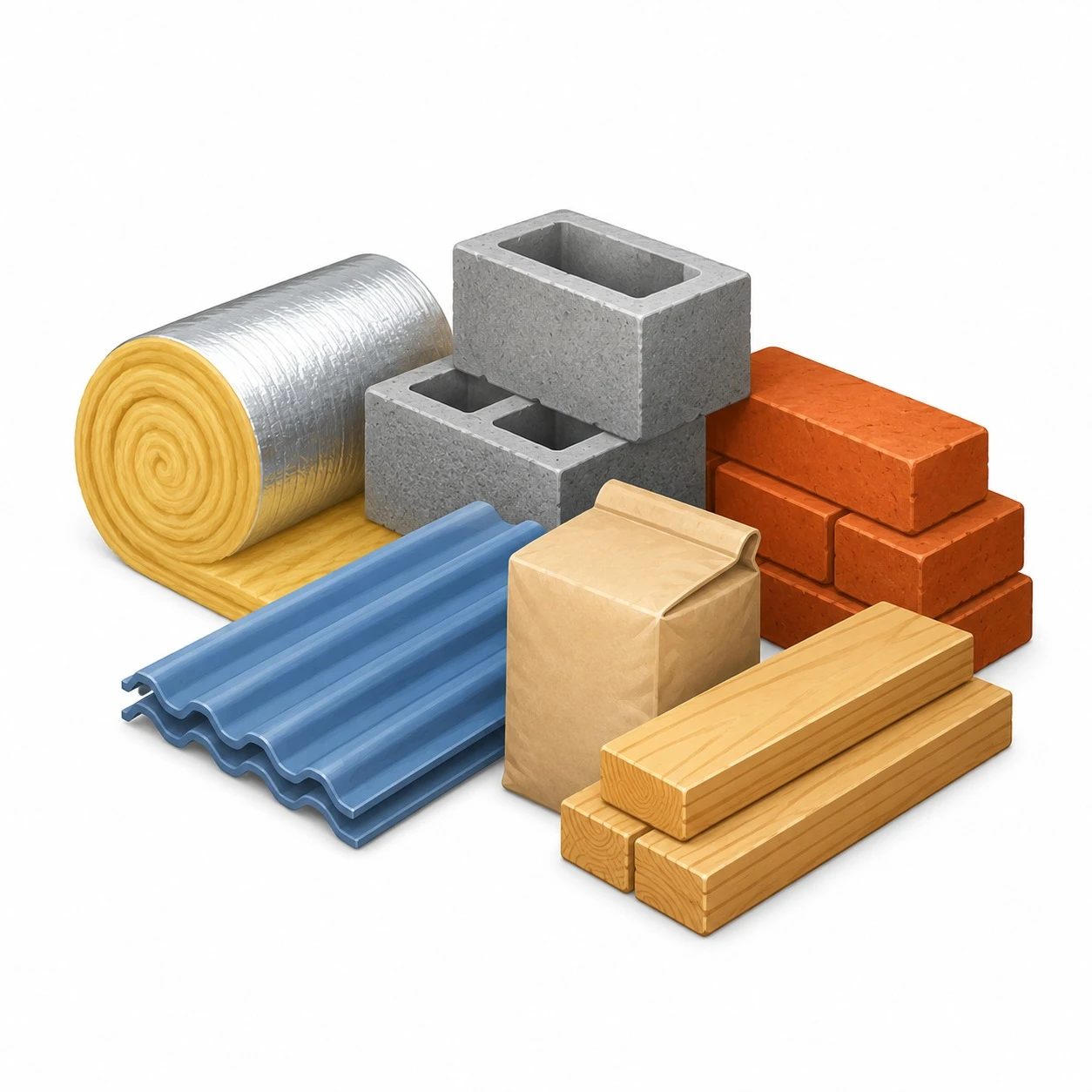
1. Construction and Building Materials – Riding the Mega Project Wave
Think about it: Saudi Arabia is building NEOM, a USD 500-billion futuristic city. Qatar keeps upgrading after FIFA, and Dubai seems to reinvent itself every two years.
That kind of development needs cement, steel, tiles, electricals, glass—you name it. India, with its competitive pricing and strong manufacturing base, is perfectly positioned to supply. According to ResearchAndMarkets, the GCC construction market will hit USD 1.5 trillion by 2030.
So if you’re in construction exports, the Gulf isn’t just a market—it’s a goldmine.
2. Food and Agro Products – Feeding a Hungry Region
Here’s a fact that shocks many: GCC imports nearly 90% of its food (World Bank, 2024). Why? Harsh climate and limited arable land.
That’s why Indian rice, spices, pulses, fruits, and processed foods have a permanent place in GCC supermarkets. Basmati rice alone is a billion-dollar story.
But it’s not just staples. Organic foods, ready-to-eat meals, and frozen items are seeing a surge too, driven by a young, urban population.
3. Pharmaceuticals and Healthcare Products – A Sector in Overdrive
Healthcare is booming in GCC. Rising lifestyle diseases and medical tourism are driving demand. Deloitte’s 2024 report pegs the GCC pharma market at USD 25–27 billion and growing at 7–8% CAGR.
India, being the world’s largest supplier of generic medicines, naturally fits the puzzle. From generics to surgical disposables, the region looks at India as a dependable source.
And remember—regulatory approvals are strict, but once you’re in, you’re in for the long haul.
4. Packaging and Industrial Supplies – Not Glamorous, But Profitable
It may not sound sexy, but packaging is the backbone of trade. With GCC’s e-commerce sector valued at USD 50 billion in 2025 (Statista), demand for cartons, plastics, labels, and sustainable packaging is exploding.
India’s packaging exports are already crossing USD 1 billion annually, and traders tapping GCC can carve their niche fast.
5. Electronics and Consumer Goods – Because Everyone Wants the Latest Gadget
Walk through a mall in Dubai or Doha—you’ll see Apple, Samsung, Xiaomi, and countless accessory brands everywhere. With disposable incomes among the highest globally, GCC consumers spend heavily on electronics.
For Indian exporters, smartphones, accessories, home appliances, and IT equipment are strong entry points. Even refurbished electronics are gaining traction among cost-sensitive buyers.
Other Niches Worth Watching
- Leather goods – fashion-conscious GCC markets love premium accessories.
- Furniture & interiors – booming with real estate expansion.
- Office supplies – steady demand with growing businesses.
- Renewable energy equipment – especially solar panels, as GCC diversifies from oil.
The Flip Side: Challenges You Can’t Ignore
It’s not all smooth sailing. Customs regulations can be strict, cultural sensitivity is crucial, and buyers are wary of fraud. Quality lapses? Forget repeat business.
Which is why many exporters hesitate—because trust in B2B trade is a fragile thing
.
Where LeximX Comes In
Here’s the thing: platforms like LeximX are built to solve that trust gap. Unlike big global directories where anyone can sign up, LeximX puts exporters and buyers through multi-layer verification. The result? Fewer scams, more genuine deals.
And it doesn’t hurt that it’s far cheaper than other platforms, making it easier for small exporters to compete.
Wrapping Up
The Gulf is no longer just about oil tankers and petro-dollars. It’s about skyscrapers, mega malls, pharma hubs, and hungry young consumers. For Indian exporters, it’s one of the most promising frontiers in 2025.
So if you’re thinking of expanding, GCC isn’t just an option—it might just be the opportunity you can’t afford to miss.
And if you’re wondering how to take that first step, platforms like LeximX are here to make sure you don’t stumble before you run.
 english


 Building Materials
 MEP Supplies
 HVAC Equipment
 Interior Products
 Smart Building Systems
 Renewable Energy Products
 Safety Products
 Industrial Supplies
 MRO Supplies